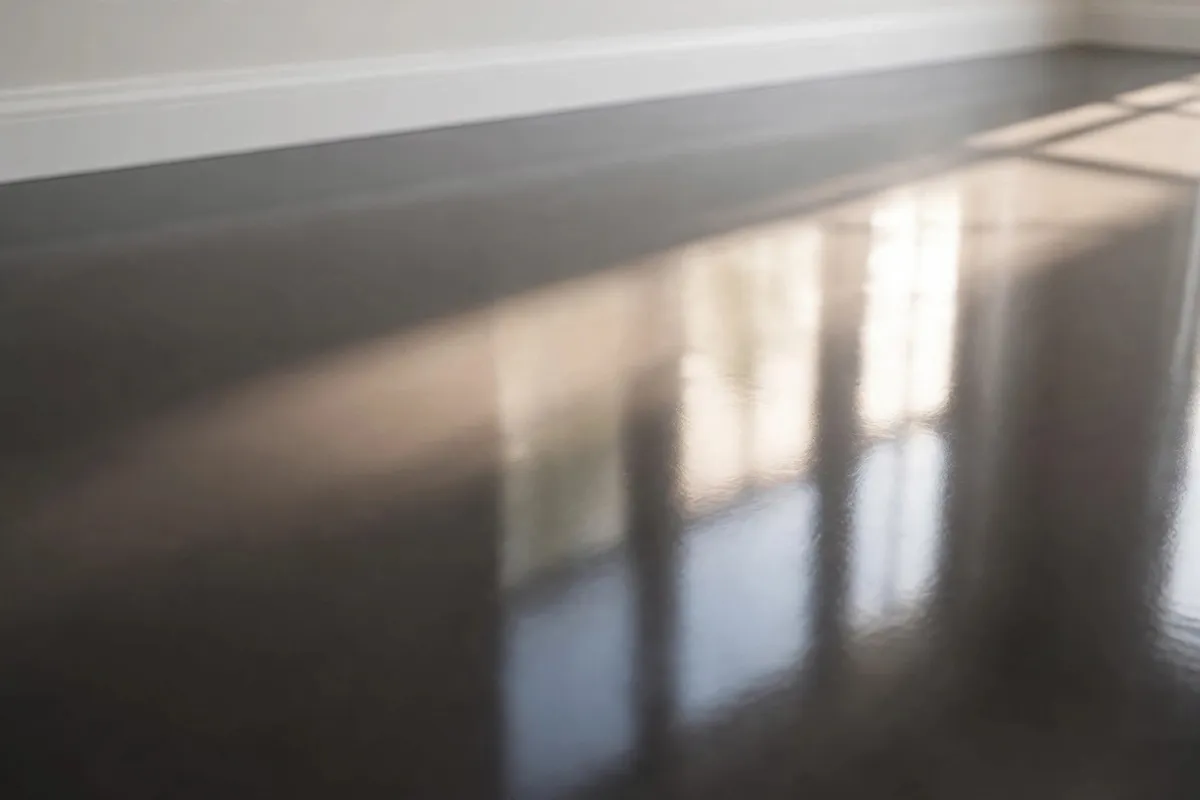
Epoxy
- Lower upfront cost
- Long local track record
- Can amber in strong sun
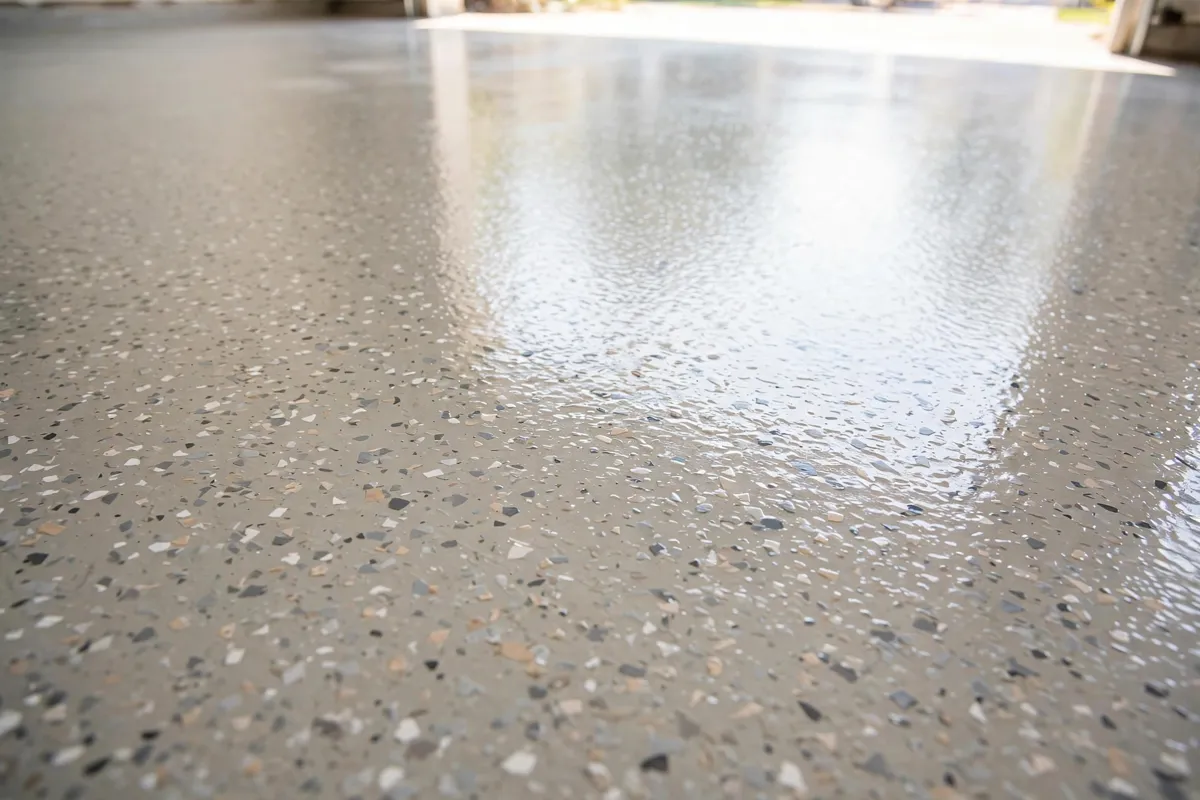
Polyaspartic
- UV-stable — won’t yellow
- Cures in hours, not days
- Higher price per square foot
Finishes shown are illustrative — appearance alone cannot identify a coating’s chemistry. The comparison below can.
The Florida decision · heat, humidity, UV
Freshness: every price on this page was observed in October 2026. Markets move — treat these as dated observations, not live quotes.
Head-to-head
| Epoxy | Polyaspartic | |
|---|---|---|
| What it is | Two-part thermoset resin; the traditional garage coating, decades of use | Polyurea-family coating; faster-curing, more flexible generation |
| UV stability | Can yellow/amber under direct UV — the main Florida risk for sun-exposed garage entrances | UV-stable; won't yellow — its biggest Florida advantage |
| Cure time | Multi-day cure; Florida humidity can stretch it further. Your car stays out for days. | Hours, not days — often drivable the same day |
| Heat cycling | Rigid when cured; repeated thermal expansion cycles can cause micro-cracking over years | More flexible; handles Florida's hot-day thermal cycling better |
| Moisture sensitivity | Hygroscopic during application — humidity trapped under the film causes blistering/peeling | More forgiving, but no coating bonds to a wet slab |
| Cost (Vero Beach) | Observed paid prices $1,500–$2,800 (Angi reviews, Indian River Epoxy, Jul 2025); national pro rate $3–$7/sq ft | No reviewer-reported local prices found; consistently sold as the premium option — get itemized quotes |
| Track record locally | What most Vero Beach installers lead with; the reviewed prices are all epoxy jobs | Offered by regional players; newer, less local review history |
The Florida verdict (honest version)
If your garage entrance takes direct sun most of the day, polyaspartic's UV stability is a genuine advantage — epoxy yellowing is the most visible Florida-specific failure we see discussed. If your garage is shaded and enclosed, epoxy's lower cost and long local track record make it the rational default.
Humidity cuts both ways: epoxy's longer cure window means more days your slab can sweat under the film; polyaspartic's fast cure shrinks that window. Neither forgives bad prep — most peeling is a prep failure, not a chemistry failure.
What to ask an installer
- "What chemistry are you quoting — epoxy, polyaspartic, or a polyaspartic topcoat over epoxy?" (A common hybrid: epoxy base + polyaspartic topcoat for UV protection.)
- "How do you test for slab moisture before application?"
- "What's the cure schedule in summer humidity, and when can I park on it?"
- "Does your warranty cover yellowing and hot-tire pickup specifically?"
Installer questions compiled from observed warranty/cure discussions in coating research; cure and warranty specifics per shop require direct contact, which is post-approval only.
Want all three chemistries side by side?
Polyurea is the third option — $4–$7/sq ft pro-installed, the most flexible of the three. Read the full epoxy vs polyaspartic vs polyurea comparison →
Plan your project
Know your options. Then get your estimate.
Every figure in this guide is observed public data with its source named. When you are ready, one short form puts your project in front of local coating specialists who can quote the work — free, no obligation.
Get a Free Estimate